
Tech Mahindra, HCL Tech, State Bank of India, UltraTech Cement and HDFC Bank were also among the gainers. In contrast, Eternal, Asian Paints, Bharat Electronics, Sun Pharma and Maruti were among the laggards.

Among the Sensex constituents, Eternal, Trent, Bharti Airtel, Infosys, Tech Mahindra, UltraTech Cement, ICICI Bank, HDFC Bank, Bajaj Finance, Tata Consultancy Services, Bharat Electronics Ltd, Larsen & Toubro and Tata Motors Passenger Vehicles were the laggards. However, Tata Steel, Sun Pharmaceuticals, ITC, NTPC, Reliance Industries, HCL Technologies, PowerGrid, and Asian Paints were among the gainers.

Benchmark stock indices Sensex and Nifty closed higher on Thursday, helped by a rally in blue-chip Larsen & Toubro and the Economic Survey projecting the GDP growth of 6.8-7.2 per cent for the next fiscal.

Among Sensex stocks, Kotak Mahindra Bank, Bajaj Finance, Axis Bank, Power Grid, IndusInd Bank, Maruti, Bajaj Finserv and NTPC were the biggest gainers. However, Eternal, ICICI Bank, Titan, Mahindra & Mahindra, Adani Ports, Tata Steel and Bharti Airtel were among the laggards.

This weekend, Donald Trump has begun to say the quiet part out loud -- that he wants to take control of Iran's oil, a formulation more in line with his robber-baron style of international relations.
From the Sensex firms, Axis Bank, Kotak Mahindra Bank, Maruti, UltraTech Cement, Bajaj Finance, ICICI Bank, Reliance Industries, Tata Steel, Bharti Airtel and HDFC Bank were among the major laggards. However, Trent, State Bank of India, Bharat Electronics, Titan and Bajaj Finserv were among the gainers.

Benchmark stock indices Sensex and Nifty closed higher in a range-bound trade on Tuesday following gains in Reliance Industries and HDFC Bank. The 30-share BSE Sensex rose by 90.83 points or 0.11 per cent to settle at 83,697.29 with 13 of its constituents closing higher and 17 in the red.

The BSE Sensex plummeted 1,236 points, wiping out nearly Rs 7 lakh crore in investor wealth, driven by escalating tensions between the US and Iran and subsequent market selloff.

Among Sensex firms, Bajaj Finserv, ICICI Bank, Reliance Industries, Bajaj Finance, Larsen & Toubro and Bharat Electronics were the major gainers. However, Power Grid, Eternal, Hindustan Unilever and Adani Ports were among the laggards.

From the 30-Sensex firms, Trent, Larsen & Toubro, Reliance Industries, InterGlobe Aviation, Maruti, ITC, Adani Ports and Bharat Electronics were among the biggest laggards. In contrast, Eternal, ICICI Bank, Tech Mahindra, State Bank of India and Tata Consultancy Services were among the gainers.

From the 30-Sensex firms, HDFC Bank, Infosys, HCL Tech, Bajaj Finance, Tata Consultancy Services and Reliance Industries were among the biggest laggards. In contrast, Bharat Electronics, Hindustan Unilever, Tata Steel and UltraTech Cement were among the gainers.

The "huge mountain of debt" in developed economies and the risk of a possible unravelling is a matter of concern for India, Union Minister for Railways, Information & Broadcasting, Electronics & Information Technology Ashwini Vaishnaw said on Wednesday, pointing to the recent spike in Japanese bond yields.

Bharat Electronics, Bharti Airtel, HDFC Bank, Kotak Mahindra Bank, Titan and Eternal were also among the laggards from the Sensex pack. However, Bajaj Finance, Tata Steel, ICICI Bank, HCL Tech and Infosys were among the gainers.

In a world fractured by uncertainty, India stands out for its policy consistency, paired with sustained ambition, points out Pritam Banerjee.

From the Sensex firms, Bharat Electronics, Mahindra & Mahindra, Titan, NTPC, State Bank of India, Adani Ports, Tata Motors Passenger Vehicles and Bajaj Finserv were among the major laggards. Tata Consultancy Services, ICICI Bank, Infosys and HDFC Bank were among the gainers.
From the 30-Sensex firms, Eternal declined by 4.02 per cent, followed by Bajaj Finance (3.88 per cent), Sun Pharma, InterGlobe Aviation, Trent, Asian Paints, Mahindra & Mahindra and Bajaj Finserv. HDFC Bank emerged as the only gainer from the pack.
From the 30-Sensex firms, Eternal, Infosys, Asian Paints, UltraTech Cement, Bajaj Finance, HCL Tech and Titan were among the biggest laggards. However, Tata Steel, Mahindra & Mahindra, Bajaj Finserv and Axis Bank were among the biggest gainers.
Among Sensex firms, Axis Bank, HDFC Bank, Reliance Industries, ICICI Bank, Bharat Electronics and Larsen & Toubro were the biggest laggards. However, Asian Paints, Maruti, Bharti Airtel and Bajaj Finance were among the gainers.
From the 30-Sensex firms, Larsen & Toubro, Tech Mahindra, Tata Consultancy Services, Reliance Industries, Tata Steel, and Trent were among the biggest laggards. On the other hand, Eternal, ICICI Bank, Bajaj Finance, and Bharat Electronics were the gainers.

Among Sensex firms, Sun Pharma, Tata Steel, Power Grid, Asian Paints, NTPC and Bharti Airtel were the biggest laggards. Tata Consultancy Services, Tech Mahindra, Infosys, Adani Ports, Axis Bank and HCL Tech were among the gainers.

From the 30-Sensex firms, Bajaj Finance, Asian Paints, HCL Tech, Tata Consultancy Services, Eternal and Sun Pharma were among the biggest laggards. However, Titan, NTPC, Axis Bank, UltraTech Cement, Reliance Industries and Hindustan Unilever were the gainers.
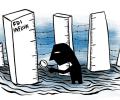
Net foreign direct investment (FDI) remained negative in November 2025 for the third consecutive month, mainly due to high repatriation, the Reserve Bank of India (RBI) said in its January bulletin.

From the 30-Sensex firms, Bharat Electronics, Power Grid, Tata Motors Passenger Vehicles, Asian Paints, Reliance Industries, and Bajaj Finserv were among the biggest gainers. However, HCL Tech, Kotak Mahindra Bank, ICICI Bank, and Sun Pharma were the laggards.

Taking Kharg would give the US control over virtually all of Iran's oil exports and thus provide significant leverage, notes Prem Panicker in his must read daily blog on the Gulf War. It would also put American troops within range of Iran's remaining missiles, drones, and artillery on a piece of real estate that is just eight square miles in size, and just 15 miles from the Iranian mainland.
Among Sensex firms, Infosys, Bharti Airtel, Adani Ports, Sun Pharma, Tech Mahindra, Eternal, Axis Bank and Maruti were the major laggards. However, ITC, UltraTech Cement, Tata Steel and HDFC Bank were among the gainers.
From the Sensex firms, Bajaj Finance, Infosys, Hindustan Unilever, ICICI Bank, HCL Tech, UltraTech Cement, Bajaj Finserv, State Bank of India, Tata Consultancy Services, Reliance Industries, Axis Bank and Larsen & Toubro were among the major gainers. However, Trent, Tata Steel, Tech Mahindra and Maruti were among the laggards.

'Within six months I expect petrol, diesel, and electric vehicles (EVs) to reach cost parity,' says Union Minister for Road Transport and Highways Nitin Gadkari.

Eternal was the biggest gainer in the Sensex pack, jumping 4.50 per cent, followed by Power Grid, ICICI Bank, Reliance Industries, UltraTech Cement, Adani Ports, Sun Pharma, ITC and Hindustan Unilever were also among the winners. In contrast, IndusInd Bank, Axis Bank, Bajaj Finserv and Bajaj Finance were among the laggards.
On the back of an aggressive asset monetisation push, the government will press the throttle on the build-operate-transfer (BOT) model - under which private developers fund highway construction - for future highway development, Union Minister for Road Transport and Highways Nitin Gadkari said.

From the 30-Sensex firms, Maruti, Power Grid, Tata Motors Passenger Vehicles, HDFC Bank, Asian Paints and Tata Steel were among the biggest laggards. However, Titan, HCL Tech, Tech Mahindra, Infosys and Tata Consultancy Services were among the gainers.
From the Sensex firms, Kotak Mahindra Bank, Eternal, Asian Paints, NTPC, Bharat Electronics Ltd, Adani Ports, Infosys and State Bank of India were among the major gainers. However, Titan tumbled over 6 per cent. Trent, Axis Bank, Maruti and Hindustan Unilever were also among the laggards.
From the 30-Sensex firms, NTPC, ICICI Bank, Adani Ports, Bharti Airtel, Sun Pharma and Bajaj Finance were among the biggest laggards. However, Asian Paints, HCL Tech, Bharat Electronics and Reliance Industries were among the gainers.

Among the Sensex constituents, Eternal, Tata Steel, Kotak Mahindra Bank, UltraTech Cement, Maruti Suzuki India, Sun Pharmaceuticals, Tech Mahindra, HDFC Bank, Tata Motors Passenger Vehicles, Infosys, Trent, Mahindra & Mahindra, Reliance Industries and HCL Technologies were the gainers. However, Asian Paints, Bharti Airtel, Bajaj Finance, PowerGrid, Axis Bank, ICICI Bank and Titan were among the laggards.
Among Sensex firms, Power Grid, Eternal, Bharti Airtel, Axis Bank and Infosys were the biggest laggards. However, Mahindra & Mahindra, Sun Pharma, Kotak Mahindra Bank and State Bank of India were among the major gainers.
Leading non-banking financial company (NBFC) Shriram Finance on Friday said Japan-based MUFG Bank would invest Rs 39,618 crore, or $4.4 billion, to acquire a 20 per cent stake on a fully diluted basis through a preferential issue of equity shares.

From the 30-Sensex firms, Trent, Infosys, Bharti Airtel, Tech Mahindra, Bharat Electronics and Maruti were among the biggest gainers. However, State Bank of India, Kotak Mahindra Bank, Larsen & Toubro and Titan were the laggards.
From the 30-Sensex firms, InterGlobe Aviation, Sun Pharma, Asian Paints, Reliance Industries, Hindustan Unilever, and Tata Steel were among the biggest laggards. However, Trent, UltraTech Cement, Maruti, and Power Grid were among the gainers.

Charlie Smith, one of the thousands of England fans cheering on Ben Stokes's struggling team, stopped off on the way to the ground to buy bin bags and gather up the garbage.
From the Sensex firms, Mahindra & Mahindra, Maruti, Adani Ports, Bajaj Finserv, Titan, and HDFC Bank were among the major laggards. However, Hindustan Unilever, Trent, HCL Tech, Asian Paints, and Tata Steel were among the gainers.
Among Sensex stocks, Tata Motors Passenger Vehicles, Trent, Infosys, Power Grid, HDFC Bank, HCL Tech, Kotak Mahindra Bank, ICICI Bank and Bajaj Finance were the major laggards. However, Bharat Electronics, State Bank of India, Tata Steel, Eternal, Bharti Airtel and Reliance Industries were the gainers.
